Do Capybara Live in the Amazon Rainforest? A Step‑by‑Step Exploration
Capybaras (Hydrochoerus hydrochaeris) are the world’s largest rodents, and they do occur inside the Amazon basin, but their presence is tied to specific water‑rich environments rather than the dense interior of the rainforest. Understanding exactly where they thrive, what habitat cues they follow, and how their distribution overlaps with human activity helps curious beginners separate fact from common myth.
Map the Habitat: Pinpoint Where Capybaras Roam
Start by looking at a broad distribution map of South America. Capybaras are recorded in Brazil, Bolivia, Colombia, Peru, and Venezuela, with concentrations along rivers, floodplains, and swamps. In the Amazon, they cluster around:
- Seasonally flooded forests (várzea) where water levels rise and fall.
- River margins of the Amazon, Tapajós, and Xingu waterways.
- Man‑made water bodies such as cattle ponds and irrigation canals.
These zones provide the shallow, vegetated water that capybaras need for grazing and predator avoidance. If you plot these habitats on a satellite view, the “hot spots” form a crescent around the central rainforest, leaving the core interior relatively empty.
Check the Water: Why Wetlands Matter More Than Jungle Canopy
Capybaras are semi‑aquatic. Their daily routine includes a few hours submerged to stay cool and to hide from jaguars, caimans, and large birds of prey. This dependence on water creates two practical checks you can use when assessing whether a particular Amazon locale might host capybaras:
- Surface water depth: Areas with 0.3–0.6 m of standing water support the grasses capybaras prefer.
- Vegetation type: Tall, soft grasses and aquatic plants provide both food and cover.
If either condition is missing—say, on a steep, well‑drained hill—capybaras are unlikely to be found there, even if the broader region lies within the rainforest.
Spot the Signs: Distinguishing Capybaras From Similar Species
In field guides, capybaras can be confused with paca or even large rodents like pacas. Use these cautionary cues to avoid misidentification:
- Size: Adult capybaras weigh 35–66 kg and measure up to 1.2 m in length—much larger than paca.
- Body shape: A blunt, barrel‑shaped torso with a short, hairless tail contrasts with the elongated body of a paca.
- Social behavior: Capybaras are highly gregarious, often seen in groups of 5–20 individuals.
- Tracks: Their front and hind footprints are roughly the same size, indicating a plantigrade stance.
Misreading these signs can inflate perceived distribution, especially when tourists post photos from riverbanks that actually show other mammals.
Consider the Conservation Angle: What Their Presence Means for the Amazon
Capybara colonies can serve as ecological indicators. Their grazing helps maintain open water channels, which benefits fish and amphibians. However, expanding livestock farming and hydro‑electric projects can both create new habitats (ponds, reservoirs) and threaten existing ones through water pollution.
For policymakers, the key takeaway is to monitor water quality in known capybara zones; a decline often signals broader ecosystem stress. Community‑based monitoring programs that involve local hunters and ecotour operators have shown promise in tracking capybara numbers without costly scientific surveys.
Take the Next Step: How to Verify Capybara Presence for Yourself
If you plan a field excursion or simply want to confirm their range, follow this short checklist:
- Identify a water body with shallow, vegetated edges.
- Look for grazing groups during early morning or late afternoon.
- Document footprints and, if possible, obtain a clear photograph of the animal’s dorsal profile.
- Cross‑reference your observations with regional wildlife databases such as Brazil’s SISBIO.
By applying these practical steps, you’ll gain a realistic picture of whether capybaras truly live in the Amazon rainforest segment you’re exploring, and you’ll contribute reliable data to a species that bridges the gap between wild ecosystems and human‑altered landscapes.
Greve Marina Hejren Og Mågen | Sejlerens Das Hafen-Magazin Für
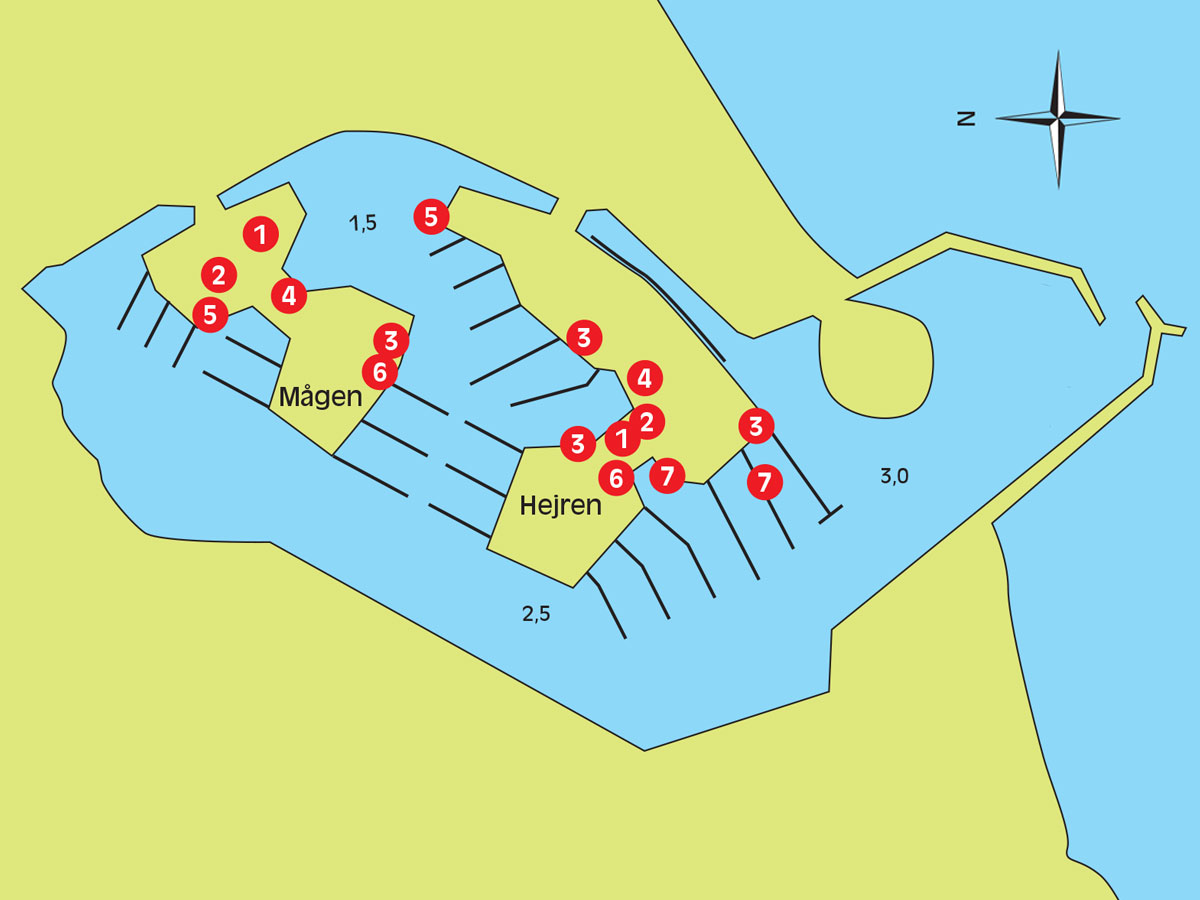
Greve Marina Hejren og Mågen | Sejlerens Das Hafen-Magazin für ...