What’s the Real Difference Between "Involve" and "Include"? A Simple Guide
Ever caught yourself mixing up *“involve”* and *“include”* in a conversation or email, only to realize your meaning got lost in translation? These two words sound nearly identical but carry distinct shades of meaning—one about participation, the other about membership. The confusion isn’t just academic; it can change how your message lands, whether you’re organizing a project, drafting an invitation, or even debating a policy. Let’s break it down with clarity and practical examples.
When Words Shape Your Message: The Core Distinction
The difference between *involve* and *include* isn’t just about nuance—it’s about *intent*. *“Include”* is straightforward: it means to add something or someone *as part of a whole*. Think of it like assembling a toolkit. If you say *“include a screwdriver,”* you’re stating that the screwdriver is *one of the items* in the kit. No ambiguity there.
*“Involve,”* on the other hand, implies *active participation*. It’s about *doing* something together, not just being present. Imagine hosting a brainstorming session: *“We’ll involve the team”* means they’re not just sitting in the room—they’re contributing ideas, debating, and shaping the outcome. The word carries weight; it suggests *engagement*, not just inclusion.
Real-Life Scenarios: Where the Words Matter
Let’s test these words in action with a few everyday situations:
- Project Planning: Incorrect: *“Include the interns in the meeting.”* Why it falls short: It sounds like the interns are being *added* to the meeting list—like a checkbox on an agenda. No one’s expecting them to speak up. Better: *“We’ll involve the interns in the brainstorming.”* Impact: Now, the interns are *expected* to contribute, not just observe.
- Community Events: Incorrect: *“The festival will include local artists.”* Why it’s vague: It could mean the artists are *featured* (like performers) or just *present* (like vendors). The word doesn’t clarify their role. Better: *“We’ll involve local artists in the planning process.”* Impact: Artists aren’t just participants—they’re *co-creators*, helping shape the event’s direction.
- Workplace Feedback: Incorrect: *“Include your team’s input in the report.”* Why it’s passive: It sounds like input is *gathered* but not *acted upon*. Better: *“We’ll involve your team in drafting the report.”* Impact: The team’s role is *active*—they’re not just sources of data; they’re *authors* of the final version.
The Math Behind the Words: A Quick Analogy
If you’re still unsure, think of *include* as the **denominator** in a fraction—it’s the *container* holding everything. *“Include three colors”* means the palette has three colors, period.
*Involve*, though, is more like the **numerator**—it’s about *how* those elements interact. *“Involve three colors in the design”* suggests those colors are *working together*, blending or clashing in a way that affects the whole. The same goes for people: *involve* implies *dynamic*, not static.
When to Use Each (And Why It Matters)
Here’s a quick cheat sheet to keep your wording precise:
- Use *“include”* when:
- Listing items or people *as part of a group* (e.g., *“The package includes a manual.”*).
- Describing *membership* without implying action (e.g., *“The team includes five members.”*).
- Use *“involve”* when:
- You want to emphasize *active participation* (e.g., *“Involve the team in decision-making.”*).
- The context requires *collaboration* or *engagement* (e.g., *“The project involves weekly check-ins.”*).
Pro tip: If you’re unsure, ask yourself: *Does this word imply doing something together, or just being part of something?* That’s your answer.
The Hidden Cost of Misusing These Words
Small word choices can have big ripple effects. Overusing *“include”* in a professional setting might make your message sound *transactional*—like you’re checking boxes rather than building relationships. *“Involve,”* on the other hand, signals *respect* and *collaboration*, which can make your requests or invitations feel more inclusive (in the best sense of the word).
Consider this: A manager who says *“Include your team in the strategy meeting”* might unintentionally make the team feel like *observers*. But *“We’ll involve your team in shaping the strategy”* turns the meeting into a *shared effort*—one where everyone’s voice matters.
Final Check: Test Your Understanding
Try filling in the blanks with the right word:
- The workshop will _______ hands-on exercises to reinforce learning. (*involve* or *include*?)
- Our subscription plan _______ access to all premium features. (*involve* or *include*?)
- We need to _______ stakeholders in the early stages of the project. (*involve* or *include*?)
Answers: 1. involve, 2. include, 3. involve. How’d you do?
Mastering these words isn’t about memorization—it’s about *listening* to the intent behind your message. Next time you’re drafting an email or planning a project, pause for a second. Are you *adding* someone to the mix, or are you *pulling them into the action*? That tiny distinction could make all the difference.
Limites Et Asymptotes : Cours De Maths En Terminale En PDF.
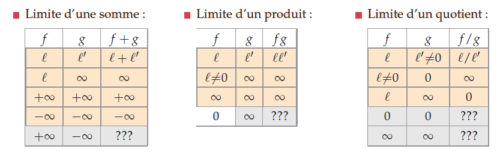
Limites et asymptotes : cours de maths en terminale en PDF.